Brick-and-Mortar to Online: How Canadian Retailers Are Adapting
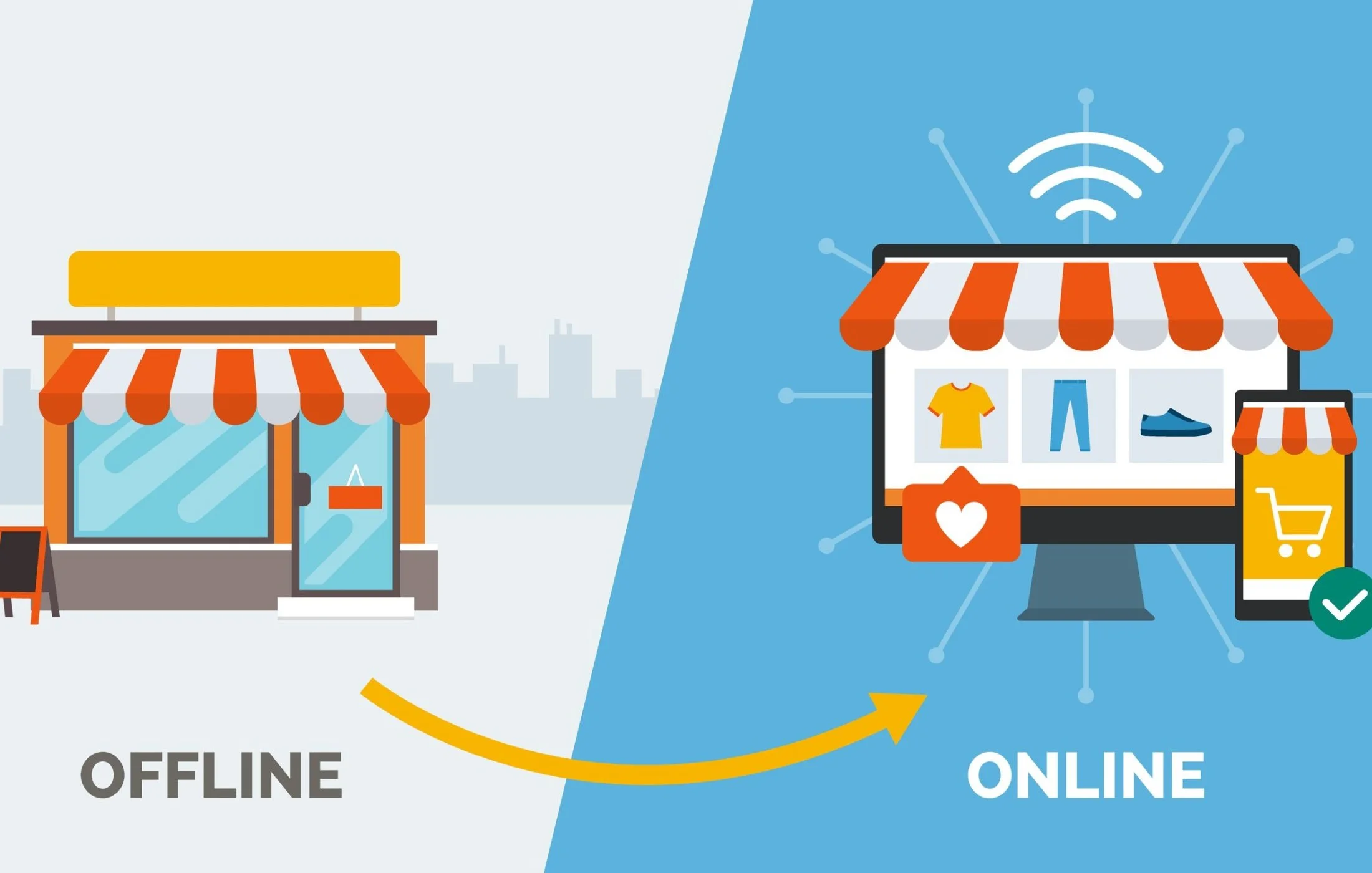
For decades, Canadian retail ran on a simple model. Open a store in a good location, stock the right products, and customers would come. That model did not collapse overnight but the pressure on it has been building for years and by 2020, the cracks became impossible to ignore.
The retailers that are still standing and growing today are not the ones that resisted the shift. They are the ones that moved with a clear head and a real plan behind them.
Where Brick-and-Mortar Stores Actually Stand Today
There is a version of this conversation that declares physical retail dead. That version is wrong and the numbers say so clearly.
Global brick-and-mortar retail sales totalled an estimated 24.2 trillion dollars in 2024. Physical stores are not disappearing. What is changing is their role in the overall purchase journey. 79% of consumers still prefer to shop in store for certain categories. What has also changed is that the same consumer who wants to touch a product before buying it wants to find it online first, compare prices on their phone mid-aisle, and return it without friction if needed.
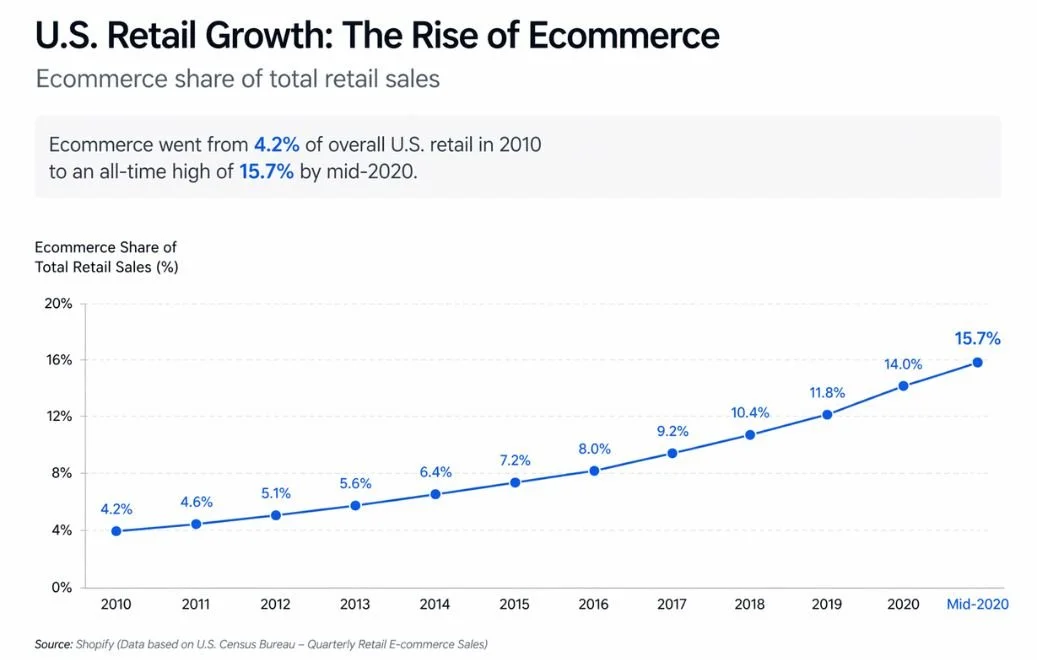
In the 2010s, brick-and-mortar stores scrambled to build an online presence to compete with digitally native and omnichannel brands. Ecommerce went from 4.2% of overall U.S. retail in 2010 to an all-time high of 15.7% by mid-2020. Canadian numbers followed a near identical curve. The pandemic did not create this trend. It compressed a decade of change into eighteen months.
What is interesting now is the reversal beginning to take shape. Brands that were born online are increasingly adding physical locations because customer acquisition costs in digital advertising have risen by as much as 60% over the past few years. The economics that once made online-only attractive are shifting. Physical presence is becoming a competitive advantage again, not a legacy cost.
What the Retail Trends Are Actually Telling Canadian Businesses
The retail trends worth paying attention to are not about physical versus digital. That debate is settled. 73% of Canadian consumers use multiple channels before making a purchase, whether that means researching a product online before visiting a store or using a mobile app for curbside pickup.
The real retail trends are about how well a retailer connects those channels. 91% of consumers prefer brands that offer a seamless omnichannel experience yet only 56% of retailers successfully deliver it. That gap is where Canadian retailers are either winning or losing right now.
The data on what happens when both channels work together is hard to argue with. Retailers that use physical and digital channels effectively see a 6.9% increase in overall sales. For newer retailers, that figure climbs closer to 14%. A physical store lifts online sales. Strong digital marketing drives foot traffic. These two channels are not in competition. They compound each other when the strategy connecting them is sound.
How Canadian Brick-and-Mortar Retailers Are Making the Shift
The brick-and-mortar retailers navigating this well are not doing anything complicated. They are doing the fundamentals correctly and consistently across both channels.
The first move is getting the digital foundation right. A website that is slow, hard to navigate on mobile, or disconnected from live inventory is not a functioning digital channel. 72% of in-store shoppers use mobile devices to compare prices while physically standing in a store. If your website loses that comparison, you lose the sale even when the customer is already on your premises.
The second move is using digital marketing to drive physical traffic and not just online conversions. Local SEO, Google Business Profile optimisation, and targeted paid social campaigns aimed at driving store visits are significantly underused by Canadian retailers. These are not expensive tools. They require someone who understands how to set them up and connect them to a measurable outcome. Book a free consultation with our retail marketing team to see exactly where your current setup is losing ground.
The third move is building data infrastructure to understand customer behaviour across both channels. Which products are researched online and purchased in store? Which in-store customers have never engaged with your digital presence? These questions have answers and those answers should be informing inventory decisions, marketing spend, and even store layout. Most Canadian retailers are sitting on enough data to answer them. Very few are actually using it.
What the Future of Brick-and-Mortar Retail Looks Like
The future of brick-and-mortar retail is not a smaller version of what existed before. It is a fundamentally different role within a larger customer journey.
Physical stores are becoming experience centres, fulfilment points, and trust builders in ways a website alone cannot replicate. Retailers that give customers a genuine reason to show up, beyond simply picking something off a shelf, are the ones building lasting loyalty and repeat purchase behaviour. Retailers hosting community events, interactive in-store experiences, and exclusive in-person offers are seeing foot traffic increases of up to 20%.
Canadian retail insolvency filings have increased in recent years. The retailers closing are largely the ones that did not adapt their model early enough. The ones opening new locations and reporting growth are the ones that figured out how their physical presence and digital presence make each other stronger.
The future of brick-and-mortar retail in Canada belongs to retailers who treat their store as one part of a customer journey rather than the entire journey. That shift in thinking changes every decision that follows, from how staff are trained to how the marketing budget is split.
How Headstartt Helps Canadian Retailers Adapt and Grow
The transition from a purely physical retail model to an integrated one is not a one-time project. It is an ongoing shift that requires the right strategy, the right digital infrastructure, and consistent execution across every channel your customer touches.
At Headstartt, we work with Canadian retail businesses on performance marketing that drives both online conversions and in-store foot traffic, website and Shopify development built for retail, e-commerce management, and lead generation strategies that bring the right customers through the door whether that door is physical or digital.
The retailers who wait for the market to settle before making these moves will find that their competitors used that time to pull ahead.
Book a free consultation with our team and let's build a retail strategy that works in the market as it actually is today. Visit Headstartt and see what integrated retail marketing looks like when it is done properly.